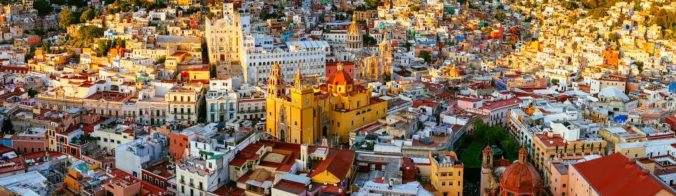
Though spending only a weekend there more than forty years ago, I still carry found memories of Guanajuato – its rain-glistened cobblestone streets full of mariachi music, its little plazas and sidewalk cafes surrounded by brilliant bold colors.
For decades, I’ve dreamed of returning. To start, I hope to stay for a month or two and take Spanish lessons at a local school, meeting other expats and local artists and academics – all while drawing and painting in my portable watercolor sketchbook.
After that, I’d like to branch out, spending time in each of the surrounding mountain pueblos, all of them rich with revolutionary history, with the lingering echoes of miners’ cries as they discovered silver and gold. I’ll sketch the Tao all over these towns and, perhaps, find one for settling down.
San Felipe
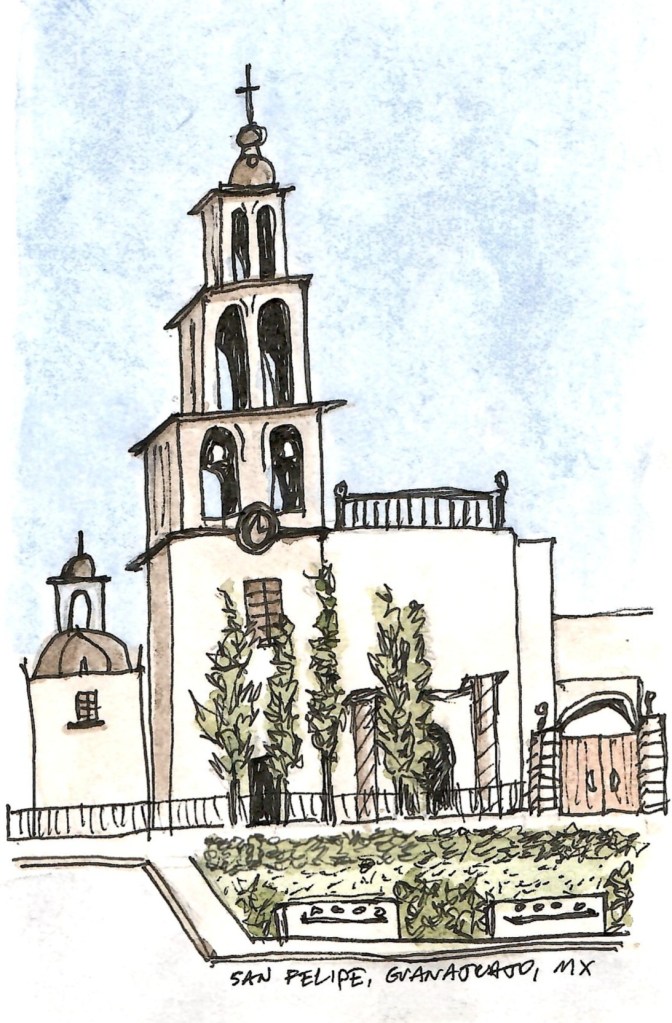
Long before the Spanish arrived in the mid-16th century, the Chichimeca people populated this region that borders the stunning Parque Nacional Sierra de Lobos, which served as a natural forested fortress for their defense.
Their legacy adds a layer of ancestral depth to the pueblo’s identity — one of rooted resilience, one that moved Mexico to seek independence from Spain.
Irapuato
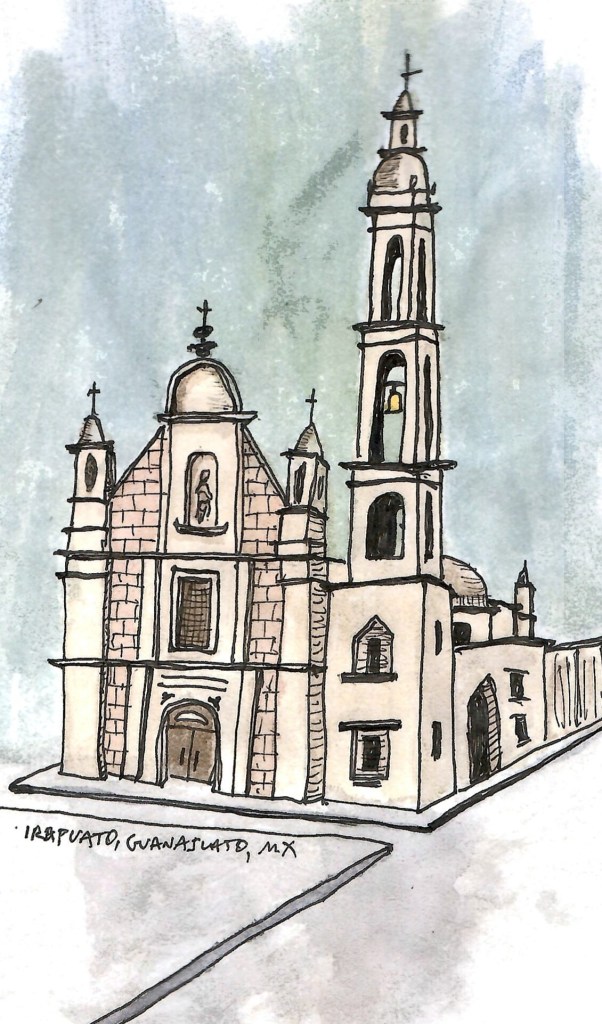
With its famed fertile soil and temperate climate, Irapuato was originally known for its yield of sweet guavas. Today, it harvests the majority of Mexico’s juicy strawberry crop and celebrates its annual yield with a Festival de la Fresas.
Stretching over six kilometers, its ornate 18th-century Romanesque aqueduct channels nearby mountain water to the colonial city’s center, where it nourishes a lavish botanical garden.
San Luis de la Paz
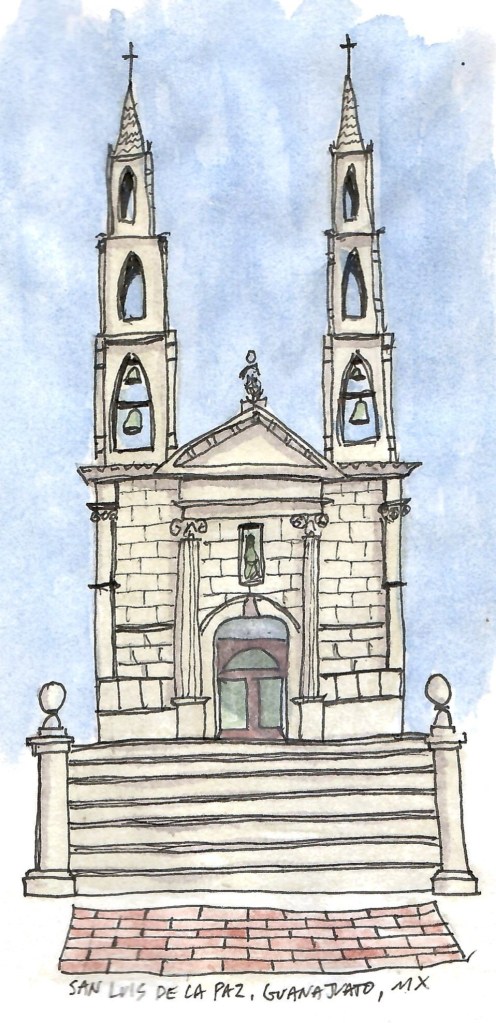
Founded in August 1552 to mark the Spanish-brokered peace treaty between the native Otomi and Chichimeca peoples, San Luis de la Paz stands today as a symbol of resistance, resilience and reconciliation.
Once a strategic outpost along the Spanish Silver Route, the town — surrounded by sacred mountains, winding rivers, and striking rock formations — played a vital role in colonial trade and cultural exchange across the central Mexican highlands.
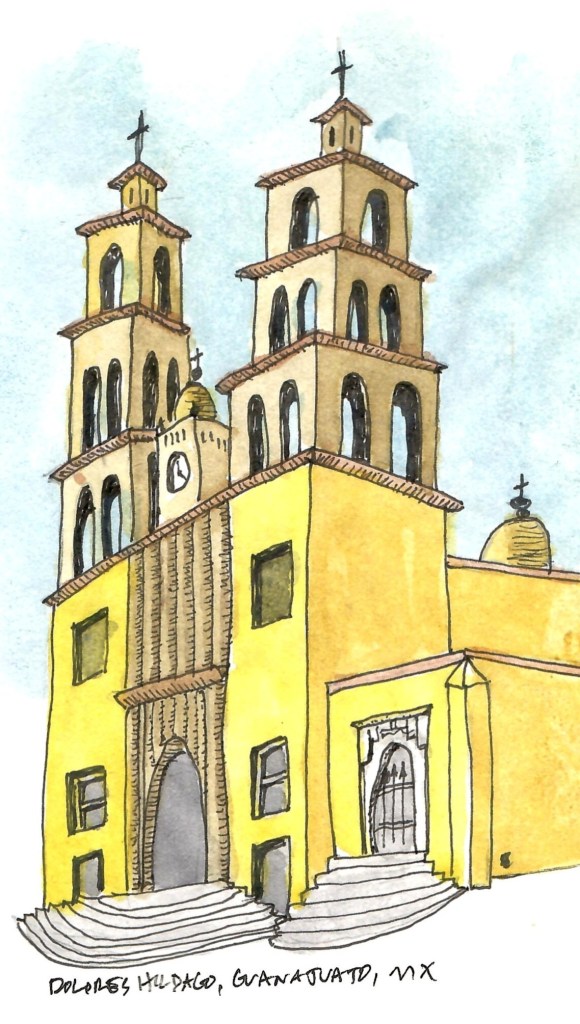
Dolores Hidalgo
In 1810, Father Miguel Hidalgo sounded the church bells, el Grito de Dolores, igniting a revolution. Today, Dolores Hidalgo’s central plaza teems with pottery workshops, mariachi echoes, and the warmth of colonial charm.
Designated a Pueblo Mágico, the town invites visitors to savor strawberry ices, to honor José Alfredo Jiménez’s poetic legacy, and to sample the quiet rise of vineyards amid its storied, sunlit hills.
San Jose Iturbide
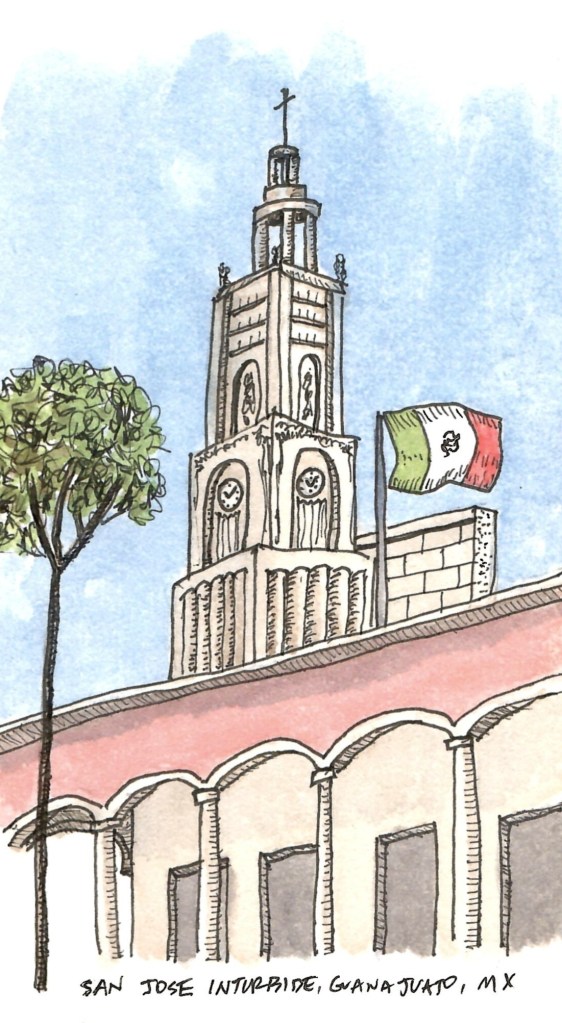
Founded in 1754 as Casas Viejas, the renamed mountain pueblo honors both St Joseph and Agustin de Iturbide, Mexico’s first emperor, with stunning neoclassical and Baroque architecture; festive spring traditions; and culinary delights such as cajeta, a goat’s-milk caramel.
In dusty whispers of one-time wealth, local lore speaks of mining carriages rumbling down cobbled colonial roads, of wooden wheels on chiseled stone as they ferried silver, cinnabar, and dreams of fortune from Sierra Gorda mines.
How About You?
Ever been to Guanajuato or any of its surrounding pueblos? Tell me about it in the comments.
 Papa Gringo