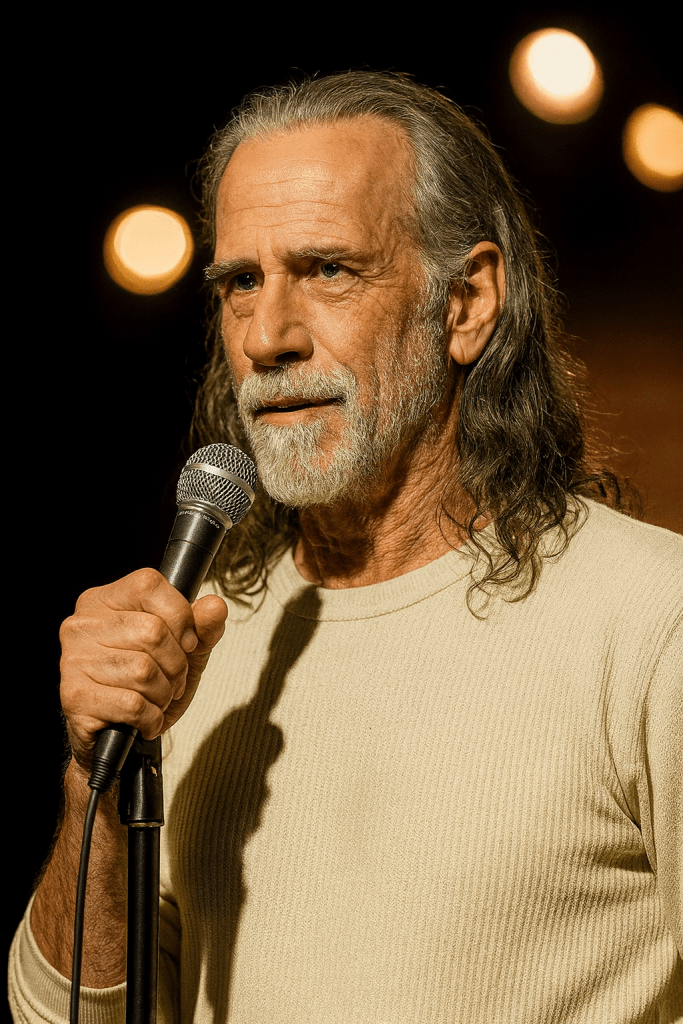
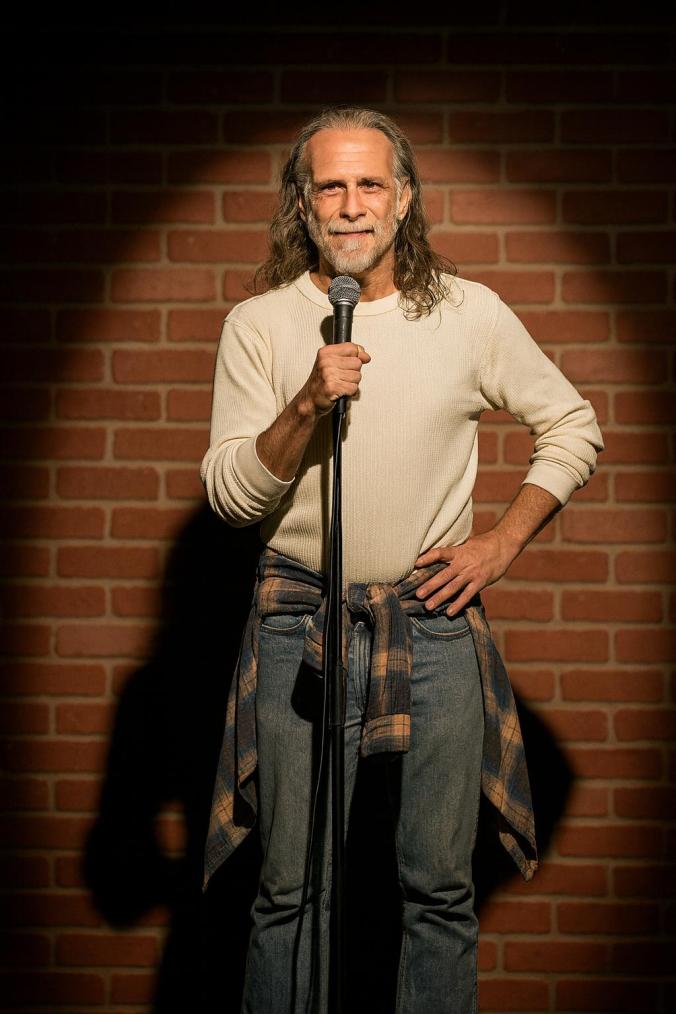
Now that Saturn’s gone direct, it’s time to move forward with the stand-up comedy classes, which start tomorrow night in the heart of San Francisco’s legendary North Beach.
For the past several weeks, I’ve been jotting down ideas on a yellow legal pad, sketching out jokes and bits for introducing Papa Gringo to an imaginary crowd.
Here’s one possible opening. Please let me know what you think.
==========
Hi, I’m Papa Gringo.
Yes, that’s a fake name.
The name Donald Trump has got to be a fake name.
If not, that’s child abuse.
Trump, alone, sounds frumpy and dumpy.
Then you add Donald Duck.
No wonder he’s a quack.
Take the name Ronald Reagan.
As an actor, that was the president’s stage name.
His real name was… Ronald Reagan
In his case, the name was real but the man was fake.
And why are the Republicans’ two biggest presidents named Ronald and Donald?
Ronald McDonald is a fake name.
The point is, with a fake name, you can be the real you.
So, here are some real truths about the real me….
==========
What Do You Think?
Should I give up my day job? Ideally, I need a few good laughs in the first thirty second. Let me know if you got any ideas.
Last summer, the Tao kicked my butt, reminding me that retirement’s coming soon, that I should start thinking about life post-teaching. One idea was to start this blog. I liked that idea. I still like that idea.
But now I’m getting kicked in the butt again.
Earlier this month, while replacing a burnt-out bulb in the kitchen, something sparked in my mind. I suddenly thought of pursuing stand-up comedy.
Thirty-five years ago, back in L.A., I had taken some stand-up comedy classes. I did a few open mics. I had a couple good shows. But I never took it beyond that.
I didn’t like the late-night hours or the waiting around for my two-minute turn. Instead, I went to grad school, got myself a masters, moved to the Bay, then started a career teaching college writing.
The teaching path has served me well. I’ve been blessed to have served as a Bodhisattva for so very many students. Standing at the front of all those classes even allowed me the chance to dabble around with standup skills.
However, even today, the thought of attending late-night open mics, of waiting around for a sixty-second spotlight, just doesn’t sound appealing. Still, I’d like to start a regular joke-writing practice. I recently got a couple books and found some writing tips online.
Writing jokes could be fun. Like solving crossword puzzles, it can keep my mushy mind sharp. And I can start an Instagram page and a YouTube channel, both featuring brief video clips of me reciting one-liners or extended little bits.
Writing bits and putting them online is something I could do from anywhere — not only here in San Francisco, but also down south by the Rio de la Plata or up in the hills of Guanajuato.
To be honest, the thought makes me feel a little nervous. I’m afraid I won’t have the talent to write or create consistent funny material. I’m afraid my videos will suck. But even if they do, so what?
It’s fun to try and go with the flow, especially when the Tao is running like a wild summer stream.
What About You?
Have you got any crazy dreams you might be afraid to pursue? Let me know in the comments. I could use a little empathy.
While kicking back at my computer with a cup of hot coffee, I shut my eyes and tried to imagine the future I’ll retire into. What would the world resemble once AI replaces a majority of mid-level business and administrative positions? So I opened my eyes and asked AI: What will life be like in the year 2030, especially the United States, after the impending AI Revolution?
AI’s response, in part:
🌍 The Year 2030: When Work Changes Forever
In 2030, the global economy no longer revolves around labor—it revolves around orchestration. AI systems now perform most mid-level corporate tasks: logistics, accounting, diagnostics, even legal drafting. The only required corporate employees are those who manage the AI infrastructure staff.
This shift leaves millions of Americans, especially Gen Xers through Gen Z, without traditional employment opportunities. However, rather than collapse, society pivots. New local economies emerge, providing new opportunities for communal connection.
💸 Universal Basic Income: The New Floor
Each year, the US Treasury issues all adult US citizens a $50,000 stipend, paid for by taxes on downsizing organizations. The basic stipend is enough to cover housing, food, and utilities. While not lavish, it’s stable. Some people, to keep busy, start up their own small businesses or fill low-level service jobs — bartending, caregiving, delivery — not necessarily out of need, but to enjoy work’s daily structure, its social engagement, and the supplemental income it provides.
A quiet economic revolution has occurred, one as disruptive as the car economy replacing the horse economy. In the early 1900s, blacksmiths, stable hands, and leather workers, all lost their livelihoods when city streets stinking of manure gave way to city air stinking of gasoline exhaust. Back then, new industries emerged. The same is starting today.
🎨 Hobbies, Hustles, and Human Flourishing
Freed from the daily grind of holding down an office job, many people turn inward to explore their latent talents. Painters paint. Coders build indie games. Gardeners grow food for their neighbors. Some monetize their passions; others simply live more slowly, adapting to a pace that allows for reflection and expression.
After the initial shock and fear of the unknown, displaced workers soon came to appreciate how the economy has bifurcated, how AI handles the infrastructure while humans handle the soul. With more time available to mingle and socialize, neighborhoods create more neighbors and fewer passing strangers.
🏥 Healthcare: Basic for All, Premium for Some
To help lower life expenses, the federal government provides universal healthcare that covers preventive care, emergencies, and chronic conditions. Private insurance still plays a role—especially for elective procedures, advanced therapies, or boutique services. It’s a two-tiered system, one that funds innovation, one that provides general benefits for all.
👶 Population Pressure and Ethical Dilemmas
With fewer people working, providing more time for leisure and social interaction, AI has determined that human destiny is best served with slower population growth. To prevent a potentially catastrophic baby boom, abortion is available though without federal funding. Federal funding is available, however, for younger adults looking to self-sterilize.
While controversial, the self-sterilization debate has been framed as a choice—an opt-in benefit for those desiring a life without generational legacies.
What Do You Think?
Have you considered the near-future changes to society and how it might affect your retirement choices? I just hope that, along with my pension, I also get a universal income stipend.
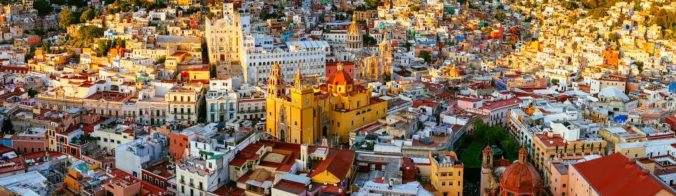
Though spending only a weekend there more than forty years ago, I still carry found memories of Guanajuato – its rain-glistened cobblestone streets full of mariachi music, its little plazas and sidewalk cafes surrounded by brilliant bold colors.
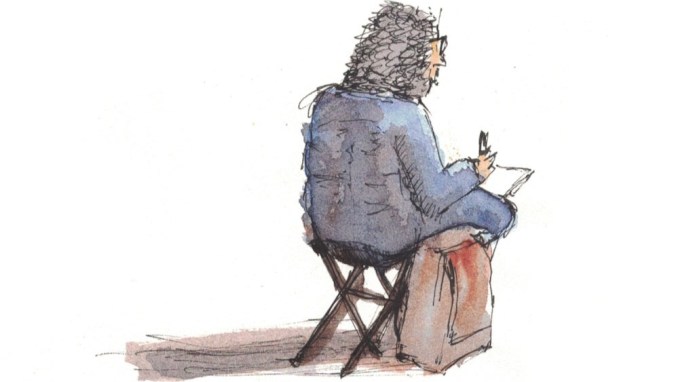
For decades, I’ve dreamed of returning. To start, I hope to stay for a month or two and take Spanish lessons at a local school, meeting other expats and local artists and academics – all while drawing and painting in my portable watercolor sketchbook.
After that, I’d like to branch out, spending time in each of the surrounding mountain pueblos, all of them rich with revolutionary history, with the lingering echoes of miners’ cries as they discovered silver and gold. I’ll sketch the Tao all over these towns and, perhaps, find one for settling down.
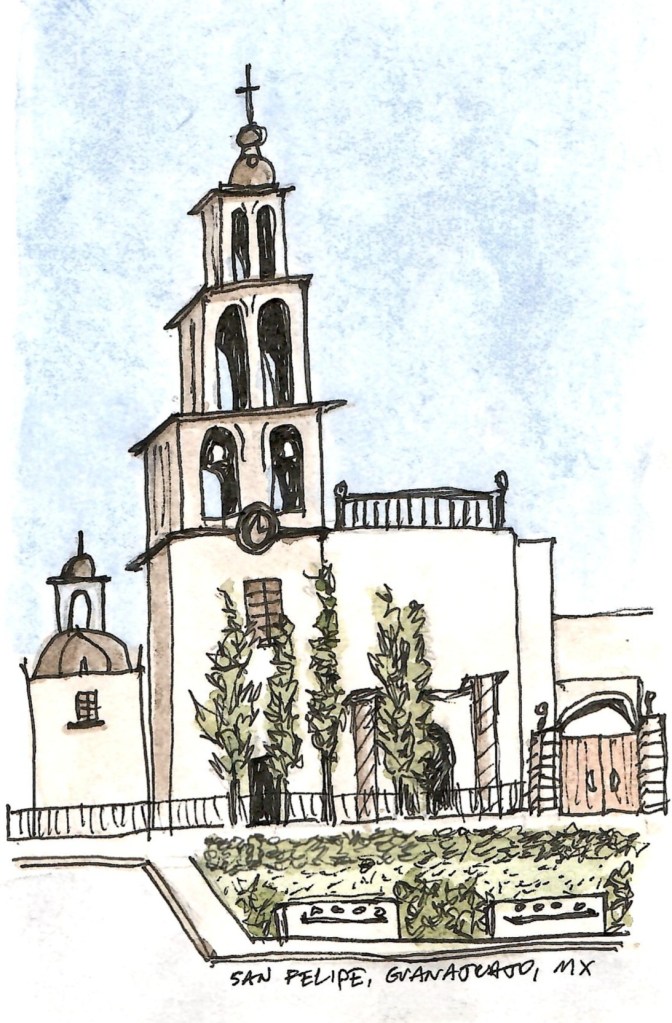
San Felipe
Long before the Spanish arrived in the mid-16th century, the Chichimeca people populated this region that borders the stunning Parque Nacional Sierra de Lobos, which served as a natural forested fortress for their defense.
Their legacy adds a layer of ancestral depth to the pueblo’s identity — one of rooted resilience, one that moved Mexico to seek independence from Spain.
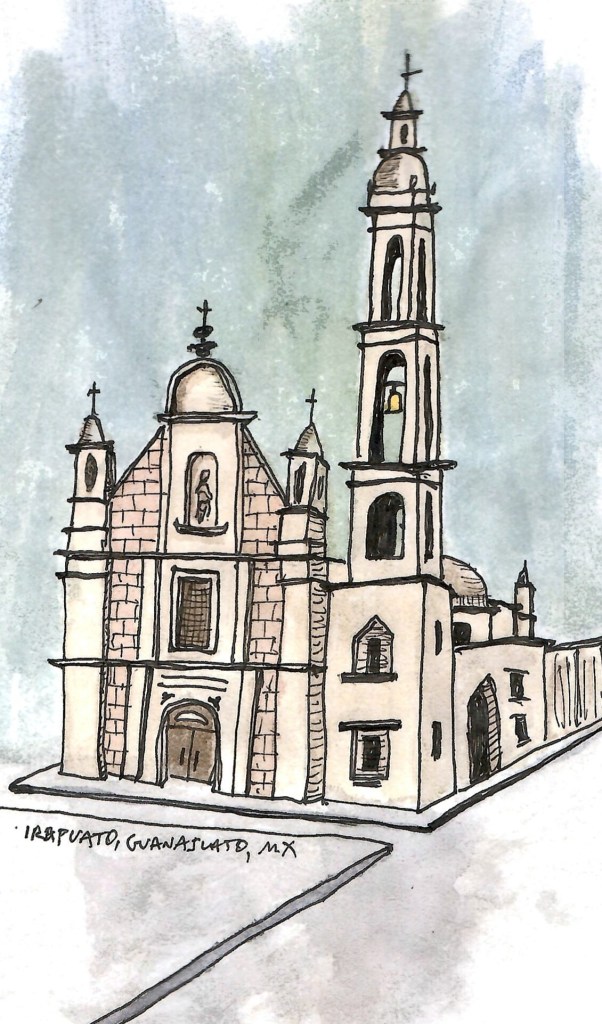
Irapuato
With its famed fertile soil and temperate climate, Irapuato was originally known for its yield of sweet guavas. Today, it harvests the majority of Mexico’s juicy strawberry crop and celebrates its annual yield with a Festival de la Fresas.
Stretching over six kilometers, its ornate 18th-century Romanesque aqueduct channels nearby mountain water to the colonial city’s center, where it nourishes a lavish botanical garden.
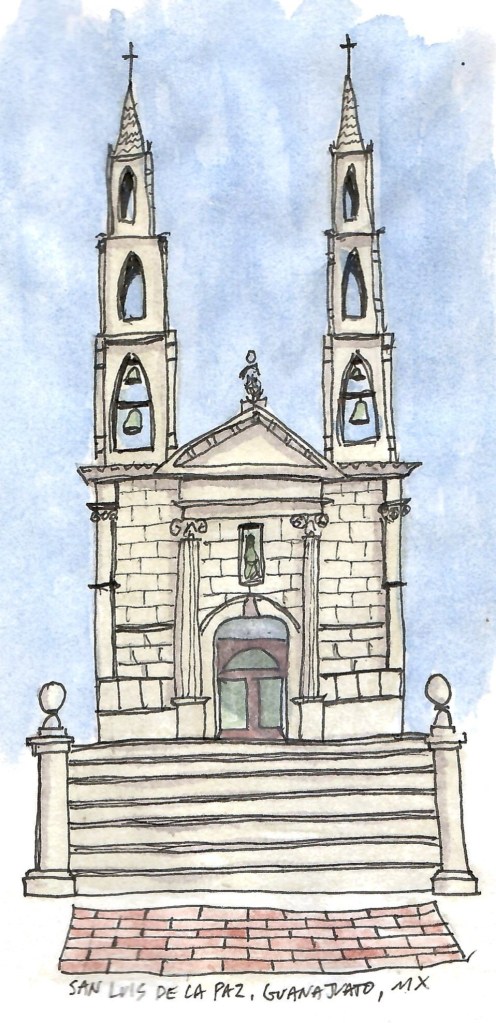
San Luis de la Paz
Founded in August 1552 to mark the Spanish-brokered peace treaty between the native Otomi and Chichimeca peoples, San Luis de la Paz stands today as a symbol of resistance, resilience and reconciliation.
Once a strategic outpost along the Spanish Silver Route, the town — surrounded by sacred mountains, winding rivers, and striking rock formations — played a vital role in colonial trade and cultural exchange across the central Mexican highlands.
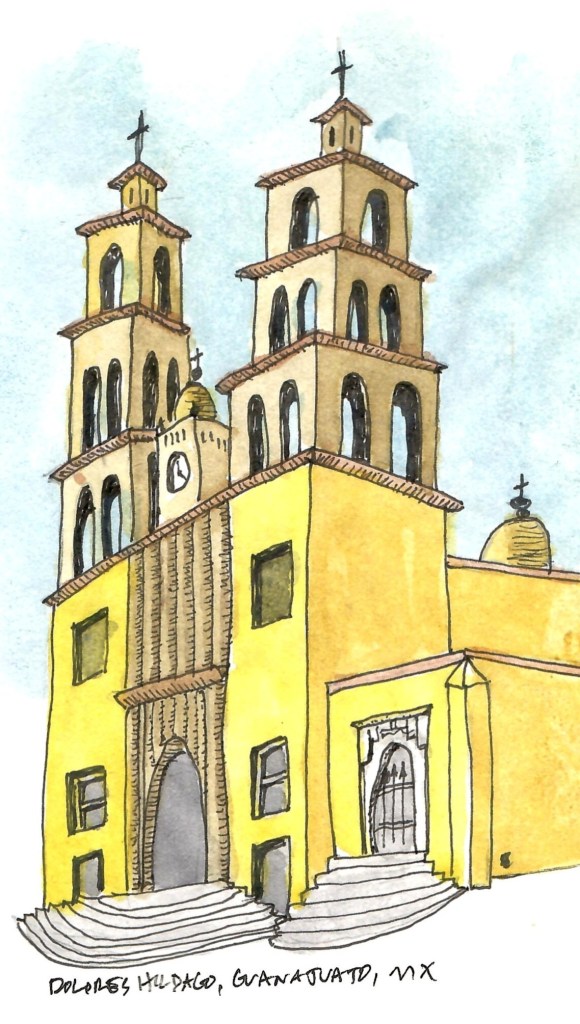
Dolores Hidalgo
In 1810, Father Miguel Hidalgo sounded the church bells, el Grito de Dolores, igniting a revolution. Today, Dolores Hidalgo’s central plaza teems with pottery workshops, mariachi echoes, and the warmth of colonial charm.
Designated a Pueblo Mágico, the town invites visitors to savor strawberry ices, to honor José Alfredo Jiménez’s poetic legacy, and to sample the quiet rise of vineyards amid its storied, sunlit hills.
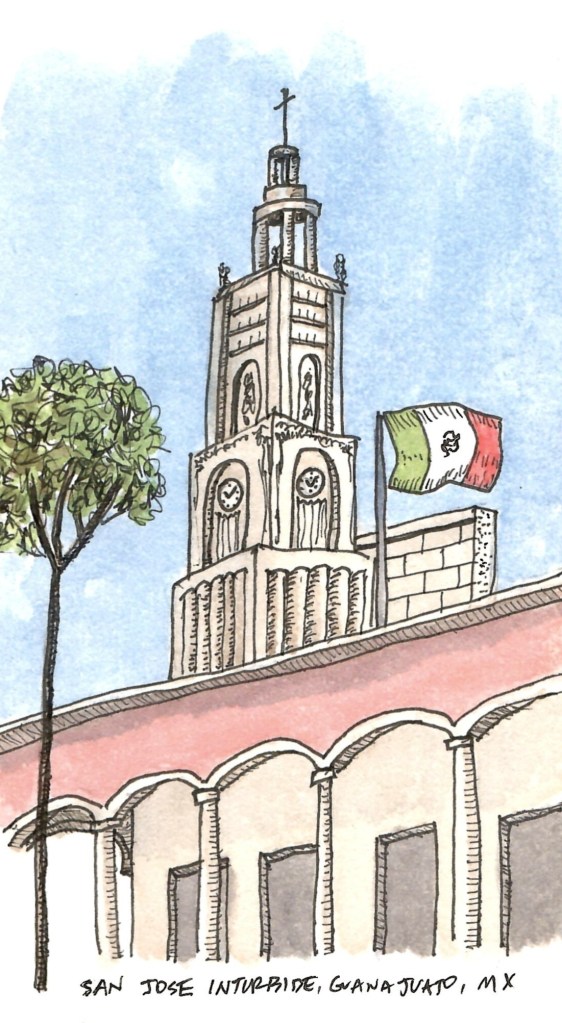
San Jose Iturbide
Founded in 1754 as Casas Viejas, the renamed mountain pueblo honors both St Joseph and Agustin de Iturbide, Mexico’s first emperor, with stunning neoclassical and Baroque architecture; festive spring traditions; and culinary delights such as cajeta, a goat’s-milk caramel.
In dusty whispers of one-time wealth, local lore speaks of mining carriages rumbling down cobbled colonial roads, of wooden wheels on chiseled stone as they ferried silver, cinnabar, and dreams of fortune from Sierra Gorda mines.
How About You?
Ever been to Guanajuato or any of its surrounding pueblos? Tell me about it in the comments.
With retirement looming on the near horizon, I often wonder where to spend my post-working life. Maybe I’ll slow travel, one-bagging it back and forth between a few select places. Or maybe one particular place will eventually call me home.
First on my list of potential destinations is Montevideo. Since 1980, every several years or so, I’ve traveled south to Uruguay to visit family friends. It’s a magical place where classic Spanish Castellano blends with Italian-immigrant slang, where African descendants beat Candombe drums in post-colonial city streets.
After all those visits, here’s my five favorite things about the Rio de la Plata capital.
Plaza Independencia
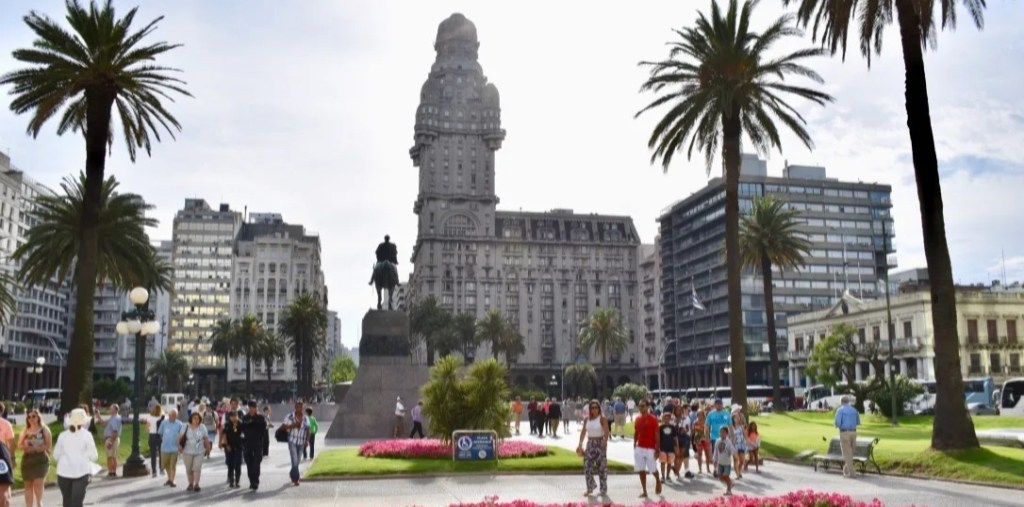
In the heart of the Old City, in the center of Plaza Independencia, the mausoleum of General Jose Artigas, the country’s first presidente, stands silently solemn. Surrounding his statue, diverse architectural towers come to attention, anchored by the bemusing Salvo Palace, its offbeat elegance a symbol of this drumbeat town.
For me, Plaza Independencia is a relaxing destination after a long morning walk, a place to pause with a coffee, to watch the map-checking tourists and the mate-sipping locals, all perfect portrait models for my furtive urban sketching.
Prado’s Museum of Art
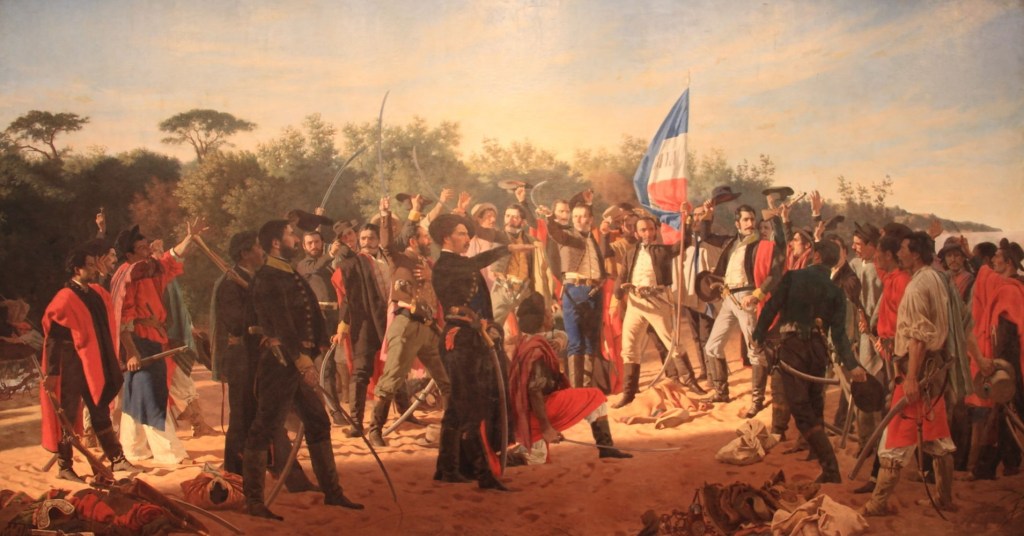
A ninety-minute walk north from the Old City, just outside the Parque Prado, the Museo Municipal de Bellas Artes curates a magnificent collection of large-scale patriotic paintings by Juan Manuel Blanes, such as the Treinta y Tres shown above.
Blanes’ depiction of Uruguayan gauchos and native Americans layer in cultural memory. On my past visits, I’ve lingered before each canvas, appreciating both their expansive historical scenes and their emotionally intricate brush strokes.
The museum also displays a lively collection by Pedro Figari, an early-modern, late-life painter whose childlike “naïve-style” honored the mid-19th-century humility of the working-class and mocked the pride of the bourgeoisie.
Playa Posit0s
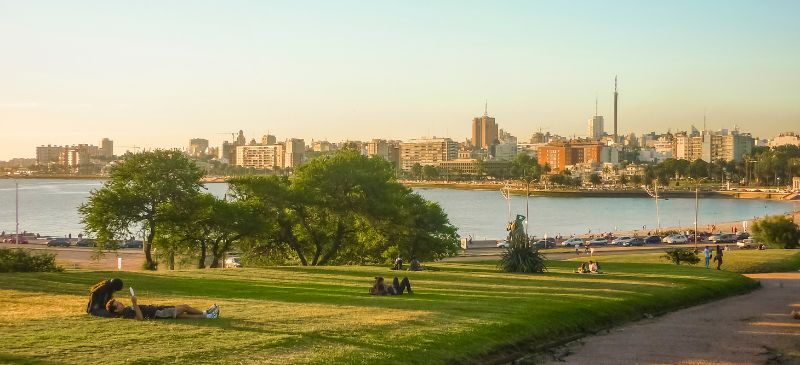
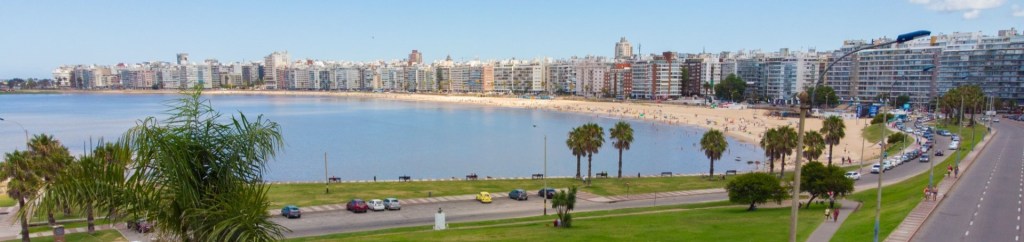
An hour south by bus, we’re chilling at the beach in the Playa Positos neighborhood, where the Rio de la Plata meets mid-20th-century high-rise apartments. The contrast of a bustling city and a wide relaxing strand symbolizes the yin/yang vibe felt throughout this meditative bay.
I’ve spent late afternoons beneath my own beach umbrella, sketching sun bathers and the inevitable impromptu futbol game. Not quite a tourist spot, this beach is mostly a neighborhood treasure where families picnic and locals kick off their zapos and spark up a smoke.
The Rambla
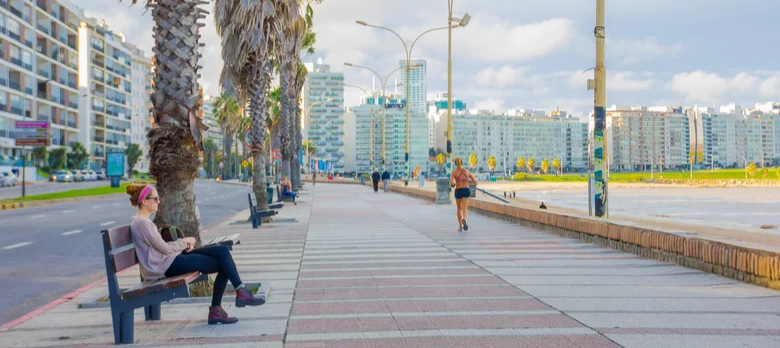
Between the beach and the blocks of high-rise apartments, the Rambla’s walking esplanade provides strollers, runners, and bicycle riders with twenty-two kilometers of a stone-mosaic pathway that lines the city’s riverfront perimeter.
I like to take my meditative walks along the wide Rambla, especially early mornings when the streets are relatively still, relatively quiet, when the playa’s gritty sand has been swept smooth by the night’s receding tide. Come evening, as the sun sets, as the Rio fires up a dusky orange, locals gather to socialize, their hot-water thermoses filling up their mate gourds.
Costa Azul
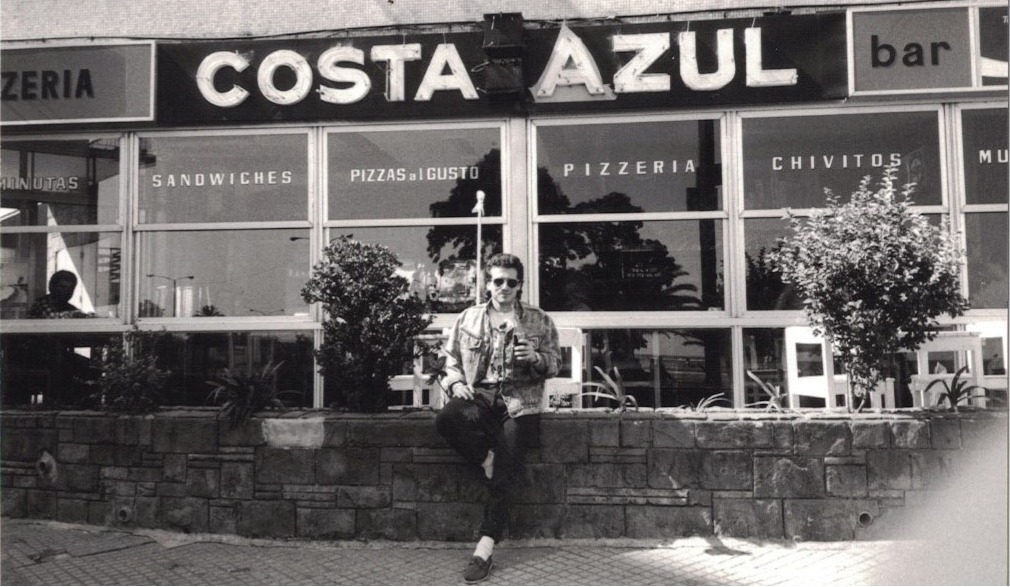
For more than forty years, my favorite Pocitos beach-view café has been Costa Azul, the one at the corner of Juan Benito Blanco and Felix Buxareo. That’s where I sit after long days of walking and sketching, where I can order up a chivito, Uruguay’s classic sizzling steak sandwich, and take long sips of the seaside air.
Retirement is not only the end of a career; it’s also the start of something new, a dawning of opportunities. As I have for decades, I’m likely to keep visiting Montevideo, staying perhaps for a season or two, then moving on to another locale. Or maybe, after four decades, I’ll put down roots and settle into the castellano sand.
How About You?
Got questions about Montevideo? Where are you thinking to retire? Let me know in the comments.
While out on one of my afternoon walks here in San Francisco, I found a sidewalk library full of free books for the taking — no library card required.
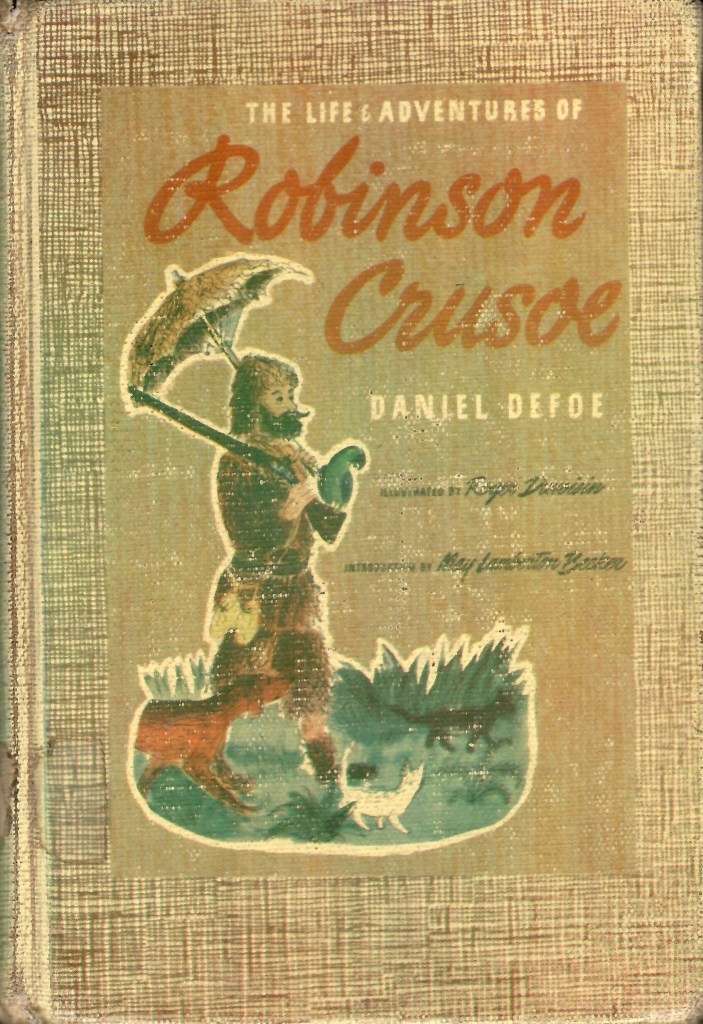
Among the many volumes jammed across the two small shelves was an old, ragged, cracked-spine, yellow-paged, 1946 edition of Daniel Defoe’s Robinson Crusoe.
Despite my senior age and three degrees in English, I had never read Defoe’s classic tale of shipwrecked adventure. So, opening the sidewalk library’s plexiglass door, I plucked the antique volume off its shelf, tucked it under my arm, and headed home to read.
Surprise! Surprise!
Three paragraphs into chapter one, I was pleased to discover several references to ancient Taoist ideas.
Of course, it’s highly unlikely that Daniel Defoe was aware of Lao-Tzu and his Taoist Book of the Way. Afterall, earliest translations into English of the Tao te Ching did not first appear until the late 19th century — more than 150 years after Robinson Crusoe was originally published in 1719.
Still, Taoist ideas lay the foundation of Defoe’s RobinsonCrusoe.
What is the Tao?
In ancient Chinese philosophy, the Tao, or the Way, represents the organic energy of life, the effortless flow of the universe. It’s the power of a river as a mountain’s melting snowfall rages toward the summer sea; conversely, it’s also the icy crust of a frozen pond in winter. Neither good nor bad, neither up nor down, neither in nor out, the Tao is comprised of all these and — mostly — everything in between.
One of the main concepts of Taoism is the idea of wu wei. Wei means any contrived action, any attempt made to thwart the natural flow of nature. Wu means no, so wu wei suggests the idea of no contrived action, of no action that goes against the flow of the Tao. Wu wei is often described as nothing, meaning no thing — that is, no thing other than the natural Tao.
Taoist Reflections
Early in chapter one, Robinson Crusoe’s father’s attempts to dissuade his son from running off to become a sailor. The father encourages his son to accept his natural status in life as a modestly well-to-do citizen, enjoying the pleasures provided by the “upper station of low life.” Such a life, the father assures his son, is the envy of both paupers and kings.
This “middle state” of society suggests the middle Way encouraged by the Tao, where extremes are best avoided, where “the high is lowered” and “the low is raised.” As stated in the Tao te Ching, what’s “most complete seems lacking,” and yet “those who are content suffer no disgrace.” Indeed, those who know when to stop chasing the wild dreams of youth go “unharmed” and “last long.”
The Tao of Retirement
Robinson Crusoe, only 18 when his story unfolds, ignores his father’s wise advice. Rather than accept the natural course of his upper-middle-class existence, he follows his dream of a life on the ocean. Soon enough, having defied both his father and the Tao, young Crusoe will eventually endure his inevitable, isolated fate.
With this early moment in the book, Defoe reminds me that there is no shame in living a simple retirement, of sitting on a porch at dusk, watching the daylight fade away into the cool embrace of night. I wish I could be satisfied with such a simple retirement. Perhaps such a fate will await me as I snuggle up to eighty. For now, though, in my mid-60s, I dream all sorts of sea-faring dreams.
Hopefully, such dreaming will not lead me to repeat Robinson Crusoe’s sad and seemingly lonely fate.
How About You?
What are your thoughts and plans for retirement? Let me know in the comments.

 Papa Gringo